


Development Math Behind Branded Condominium Residences on Florida’s West Coast
February 15, 2026Branded luxury towers along Florida’s west coast, such as The Ritz-Carlton, St. Regis Hotels & Resorts, and Waldorf Astoria Hotels & Resorts, may showcase five-star finishes, curated amenities, and white-glove service, but behind every waterfront rendering is a disciplined financial model.
Whether in Sarasota, Tampa, Naples, or Clearwater, the core question is always the same:
Can projected sales revenue exceed total development costs by enough margin to justify the risk?
Here is how the development math typically works for branded residences on Florida’s Gulf Coast.
The Three Primary Cost Buckets
Every luxury high-rise condominium project is built around three core cost categories.
Hard Costs
These are the physical construction expenses required to build the tower:
- Sitework and deep foundations
- Concrete structure and hurricane-rated envelope systems
- Mechanical, electrical, plumbing, and life safety systems
- Elevators and backup generators
- Interior build-out of residences
- Resort-level amenity spaces
- Structured or underground parking
On Florida’s west coast, hard costs are elevated by coastal engineering requirements, wind-load standards, flood mitigation, insurance, and rising labor costs. Waterfront construction adds complexity that directly impacts budget.
Soft Costs
These are the non-physical costs required to design, finance, and deliver the project:
- Architecture and engineering
- Interior design aligned with brand standards
- Legal, accounting, and permitting
- Marketing and sales infrastructure
- Developer overhead
- Financing fees and interest reserves
Branded projects increase soft costs because global brands impose design guidelines, quality controls, documentation standards, and review processes.
Land and Entitlement
In prime waterfront markets, land acquisition is often one of the largest single line items. Developers must factor:
- Land purchase price
- Holding costs during approvals
- Zoning and entitlement expenses
- Impact fees and required infrastructure improvements
On the west coast of Florida, limited waterfront parcels create upward pressure on land basis. If land is acquired at a peak price, the required sellout pricing must rise accordingly.
The Revenue Engine
Revenue is driven primarily by:
Average price per sellable square foot multiplied by total net sellable area.
Developers analyze:
Net Sellable Area, the interior square footage that can be sold
Gross Building Area, the total constructed area including common spaces
Efficiency ratios matter. Larger amenity decks, expansive lobbies, and branded service spaces reduce efficiency but elevate perceived value. The developer must ensure that the pricing premium offsets the lost sellable area.
Revenue is further influenced by:
- Unit mix, including two-bedroom, three-bedroom, and penthouse residences
- View orientation and elevation premiums
- Terrace depth and outdoor living space
- Market timing and absorption pace
A Simplified Example
Assume a west coast branded tower includes:
Net Sellable Area: 325,000 square feet
Target Average Pricing: $2,000 per square foot
Projected Gross Sellout:
325,000 multiplied by $2,000 equals $650,000,000
Now consider estimated project costs typical of a coastal branded development:
Hard Costs: $360 million
Soft Costs including brand fees: $90 million
Land and Carry: $85 million
Sales and Marketing: $35 million
Financing and Interest Carry: $50 million
Total Estimated Cost: $620 million
Estimated Profit: $30 million
Margin: Under 5 percent
For a multi-year, high-risk project exposed to construction, market, and financing volatility, that margin would likely be insufficient for institutional capital.
What Pricing Must Be Achieved
If total cost is $620 million and the developer targets a 20 percent margin on cost:
Required profit: $124 million
Required total revenue: $744 million
Required average pricing:
$744 million divided by 325,000 square feet equals approximately $2,290 per square foot
The critical feasibility question becomes:
Can the west coast luxury market sustain nearly $2,300 per square foot across the entire absorption cycle?
That is the essence of development math.
Why the Brand Matters Financially
A global hospitality brand can significantly influence the equation.
Potential Upside
- Higher achievable price per square foot
- Stronger buyer confidence
- International marketing reach
- Faster presales velocity
- Stronger lender and equity support
Added Costs
- Brand licensing and technical services fees
- Elevated design and finish standards
- Larger amenity requirements
- Operational coordination and governance structures
The brand must produce a measurable pricing premium and absorption benefit that exceeds the incremental costs.
Presales and Deposit Structures
Most branded condominium towers require structured presales before construction financing is secured. Typical components include:
- Developer equity
- Construction debt
- Buyer deposits held in escrow
Deposit schedules validate pricing assumptions and reduce lender risk. Slower absorption increases interest carry and compresses returns.
The Role of Time and Interest Rates
Time is one of the most underestimated variables in development math.
Delays in permitting, labor shortages, material lead times, insurance underwriting, or litigation can extend schedules. Each month adds:
- Interest carry
- Insurance and overhead
- Extended marketing costs
In rising interest rate environments, the cost of capital can materially alter feasibility.
Market Impact Along Florida’s West Coast
When a branded residence such as a St. Regis, Ritz-Carlton, or Waldorf Astoria project successfully pencils and launches, it typically:
- Establishes new pricing benchmarks
- Elevates expectations for finishes and amenities
- Compresses supply in existing luxury inventory
- Resets appraisal comparables for the broader market
When feasibility tightens, fewer towers break ground. That constraint in new supply can support pricing in resale buildings.
Understanding development math helps buyers, sellers, and investors interpret not just what a unit is worth today, but where the ceiling may be tomorrow.
If you would like to analyze a branded condominium opportunity through a development lens, including pricing benchmarks, absorption trends, and pipeline supply along Florida’s west coast, Sarasota Perry can help you evaluate the opportunity strategically.

Sarasota Perry
Founding Agent at Compass. Specializing in the curation and sale of Sarasota’s most prestigious branded residences, including The Ritz-Carlton, Waldorf Astoria, and St. Regis. With a deep commitment to white-glove service and market intelligence, I help discerning clients secure their piece of the Florida Gulf Coast’s most exclusive addresses.
Email: perry.corneau@compass.com
Website: http://www.sarasotaperry.com
Recent Posts
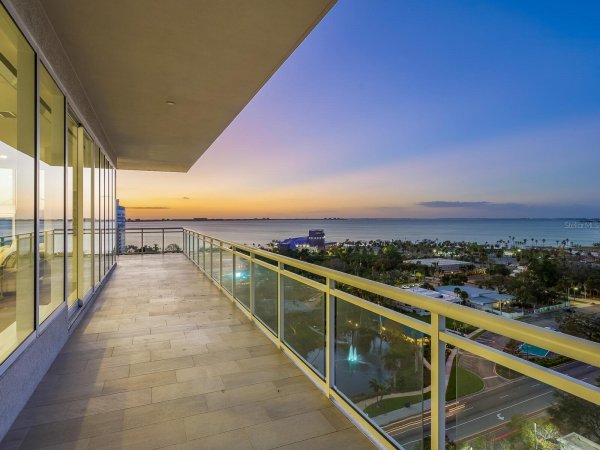
Unrivaled Coastal Luxury: The Definitive Guide to Living and Investing at BLVD Sarasota
Standing 18 stories above Downtown Sarasota’s sparkling Bayfront district, BLVD Sarasota (540 N Tamiami Trail) represents the pinnacle of boutique coastal urban...
Read more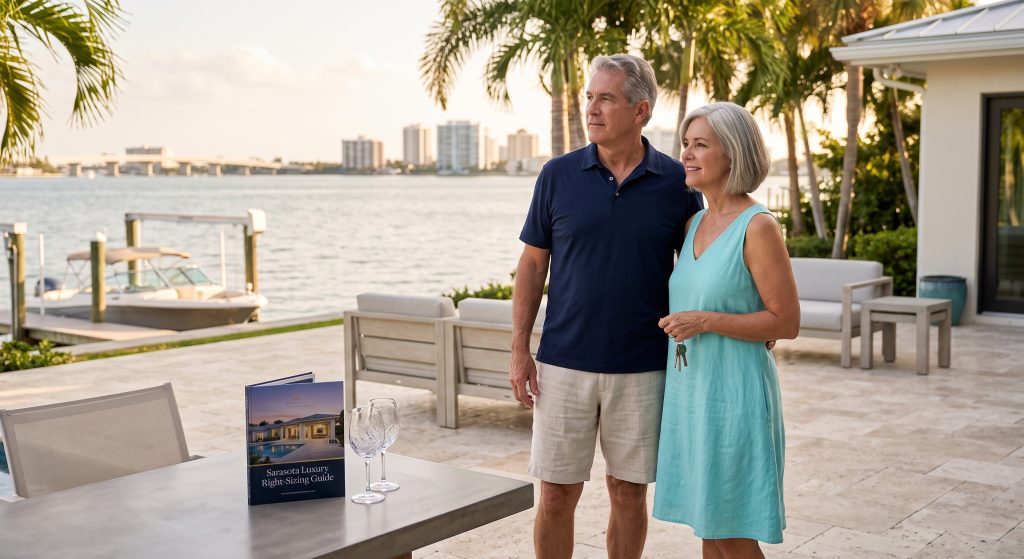
Empty Nesters in Sarasota: What Comes After the Big Family Home?
Empty Nesters in Sarasota: What Comes After the Big Family Home? In a week or two, the last suitcase gets packed for...
Read more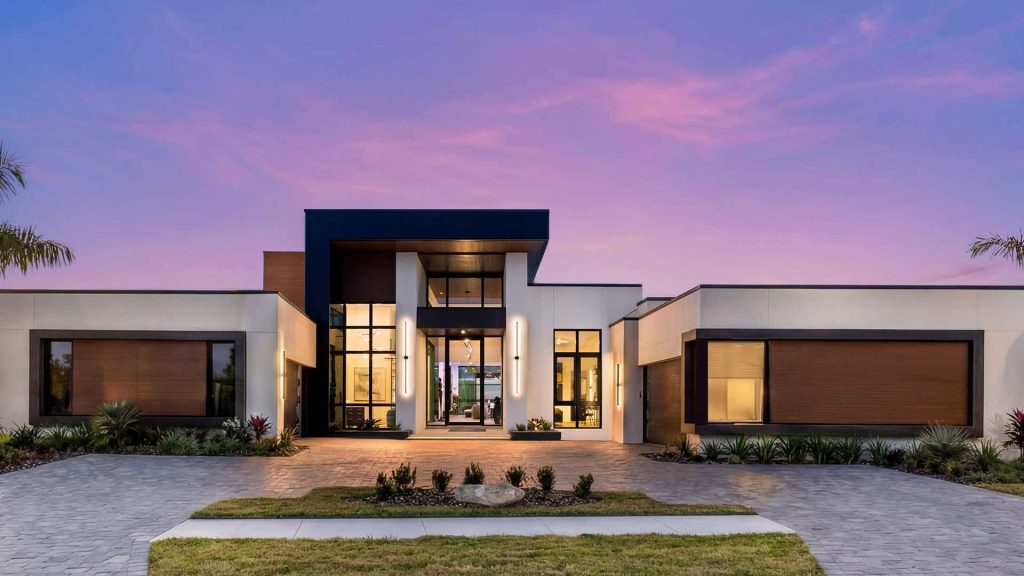
Fit for an Arch-Nemesis: Inside "The Oulina" by John Cannon Homes
https://youtu.be/pujlITYgRDo?si=EVSAzaMK_sQZa_yv Every cinematic mastermind needs a lair. It shouldn't just be a place to live—it should be a statement of supreme confidence,...
Read more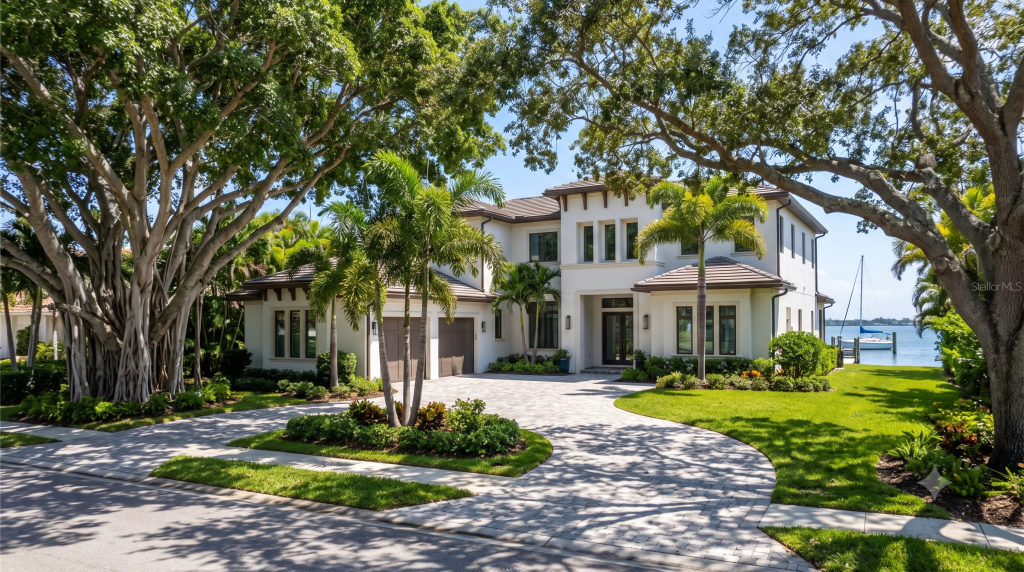
Discovering Oyster Bay: Sarasota’s Timeless Waterfront Enclave
Tucked along the eastern shores of Roberts Bay in Sarasota, Florida's coveted "West of Trail" corridor, Oyster Bay (often referred to as...
Read more