


The Push to Eliminate Property Taxes and What It Means for Homeowners
June 5, 2026
In a whirlwind two-day special session that concluded on June 2, 2026, Florida lawmakers officially approved a sweeping, historic constitutional amendment backed heavily by Governor Ron DeSantis. The proposal, known as House Joint Resolution (HJR) 1-F, is designed to drastically scale back property taxes for permanent residents and carve out a path toward the total elimination of homestead property taxes.
With the legislation successfully cleared through Tallahassee, the ultimate decision now rests with Florida voters on the November 2026 ballot.
Inside the DeSantis Plan: The $250,000 Leap
The centerpiece of Governor DeSantis’s plan is a massive expansion of the state’s existing homestead exemption for primary residences. Currently, Florida homeowners enjoy a standard $50,000 exemption. If approved by voters, HJR 1-F will supercharge that relief in phases:
- 2027: The non-school homestead exemption jumps to $150,000.
- 2028: The exemption climbs to a staggering $250,000.
- Beyond 2028: The bill establishes a framework allowing future legislatures to completely phase out remaining non-school property taxes for primary homes.
To prevent local governments from simply shifting the tax burden onto local commerce, the proposal also slices the annual assessment cap on non-homestead properties (like commercial real estate and small businesses) from 10% down to 5%.
The Fine Print: Who Qualifies?
This isn’t a universal tax holiday. The proposal targets permanent Florida residents who own and occupy their homes on or before December 31, 2026.
What’s Excluded: Traditional “snowbirds,” out-of-state real estate investors, Airbnb operators, and commercial properties will not see their property taxes eliminated. They will continue to pay standard property taxes, though businesses will benefit from the new 5% assessment cap.
| Policy Category | Current Framework | Proposed Framework (Under HJR 1-F) |
| Homestead Exemption (Non-School) | $50,000 | $150,000 (2027) $\rightarrow$ $250,000 (2028) |
| School Property Taxes | Subject to standard exemptions | Fully Preserved (Untouched to protect school budgets) |
| Commercial / Non-Homestead Cap | 10% annual assessment cap | 5% annual assessment cap |
| Long-Term Trajectory | Permanent annual taxation | Framework for 100% homestead tax elimination |
The Tallahassee Compromise: Saving the Schools
The plan that passed the legislature looks slightly different from the absolute “knockout punch” Governor DeSantis originally envisioned. Initially, the concept aimed to eliminate property taxes entirely. However, lawmakers quickly realized that wiping out the tax grid completely would decimate public education funding.
In a crucial amendment adopted during the special session, school taxes were entirely carved out and preserved. This means homeowners will still pay the portion of their property tax bill dedicated to local school districts, saving Florida schools an estimated $5 billion annually in immediate losses.
Even with the school carve-out, the expansion is projected to reduce local government revenues by more than $8.4 billion annually once fully implemented.
The Great Debate: “True Homeownership” vs. Essential Services
The battle lines over HJR 1-F are cleanly drawn between aggressive fiscal conservatism and local municipal anxiety.
The Governor’s Case: Giving Power Back to Homeowners
Governor DeSantis and legislative Republicans argue that local government property tax revenues have exploded far beyond population growth in recent years. For instance, the Governor pointed out that in Hillsborough County, property tax receipts skyrocketed from $850 million in 2018 to $1.6 billion by 2026, despite a population increase of only 8%.
The administration’s philosophy is rooted in the concept of “true homeownership.” Proponents argue that under the current system, citizens never truly own their land; they effectively “rent” it from the government under the threat of foreclosure. DeSantis claims that by cutting bureaucratic waste—channeling ideas from his efficiency initiatives—the state can leverage its massive budget surplus to cushion local budgets without raising other taxes.
The Critics’ Case: Shifting Costs and Starving Cities
On the other side of the aisle, county governments, municipal leaders, and policy analysts are sounding the alarm. Because property taxes directly fund local necessities, critics warn that an $8.4 billion revenue hole will inevitably trigger painful trade-offs.
- Service Cuts: Local leaders warn of potential reductions to police, fire rescue, public parks, and libraries.
- The Renter’s Dilemma: Analysts fear that cities may be forced to raise utility fees, local sales surtaxes, or infrastructure charges to make up the deficit. Renters could bear the brunt of these alternative revenue hikes without enjoying any of the direct property tax relief.
- Rural Strain: Small, rural counties with smaller tax bases stand to be hit the hardest. While the Governor has proposed a multi-billion-dollar state trust fund to provide grants to these struggling municipalities, that safety net will require separate, future legislation to become a reality.
What Happens Next?
Because HJR 1-F seeks to alter the state constitution, the legislature’s approval was only step one. The real battle moves to the ballot box on November 3, 2026.
To become law, the amendment requires a 60% “yes” vote from Florida voters. Over the coming months, expect a high-stakes public relations campaign from both sides: a state administration promising historic financial freedom versus local city halls warning of diminished public services.

Sarasota Perry
Founding Agent at Compass. Specializing in the curation and sale of Sarasota’s most prestigious branded residences, including The Ritz-Carlton, Waldorf Astoria, and St. Regis. With a deep commitment to white-glove service and market intelligence, I help discerning clients secure their piece of the Florida Gulf Coast’s most exclusive addresses.
Email: perry.corneau@compass.com
Website: http://www.sarasotaperry.com
Recent Posts
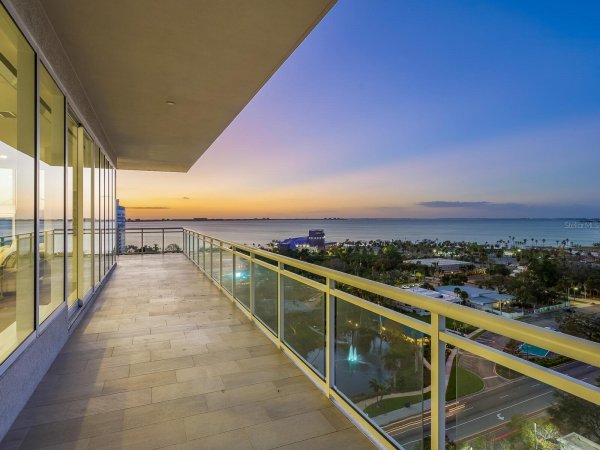
Unrivaled Coastal Luxury: The Definitive Guide to Living and Investing at BLVD Sarasota
Standing 18 stories above Downtown Sarasota’s sparkling Bayfront district, BLVD Sarasota (540 N Tamiami Trail) represents the pinnacle of boutique coastal urban...
Read more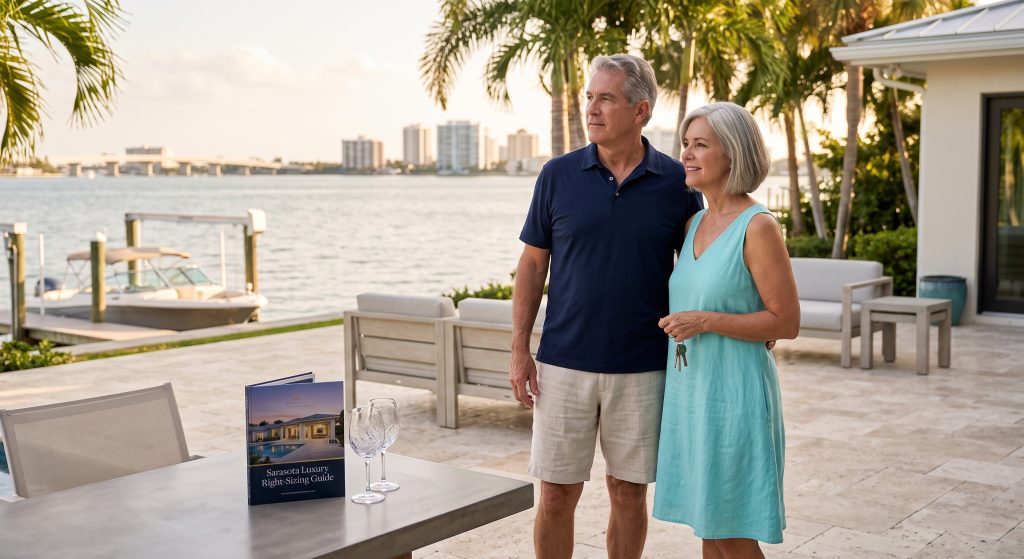
Empty Nesters in Sarasota: What Comes After the Big Family Home?
Empty Nesters in Sarasota: What Comes After the Big Family Home? In a week or two, the last suitcase gets packed for...
Read more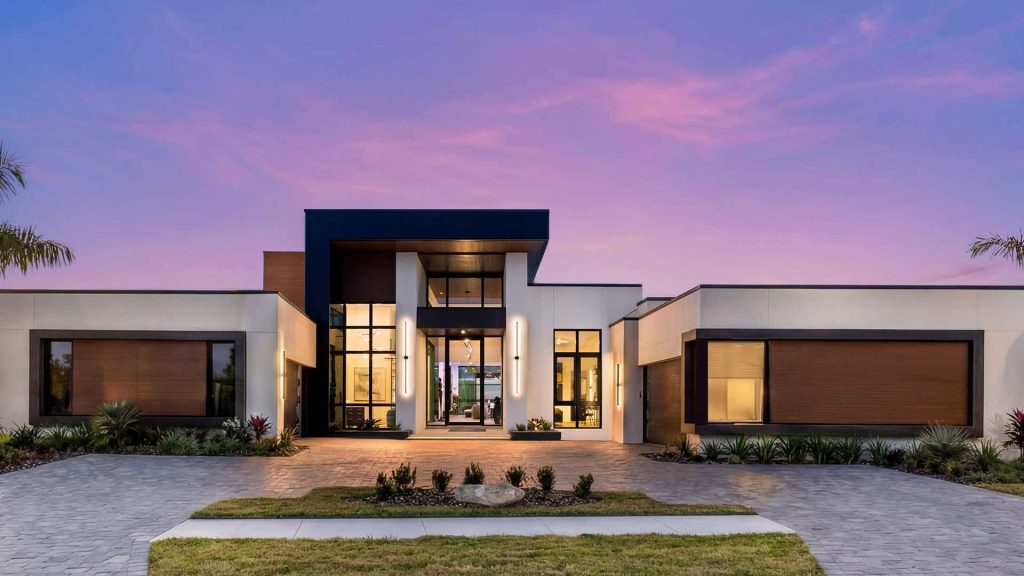
Fit for an Arch-Nemesis: Inside "The Oulina" by John Cannon Homes
https://youtu.be/pujlITYgRDo?si=EVSAzaMK_sQZa_yv Every cinematic mastermind needs a lair. It shouldn't just be a place to live—it should be a statement of supreme confidence,...
Read more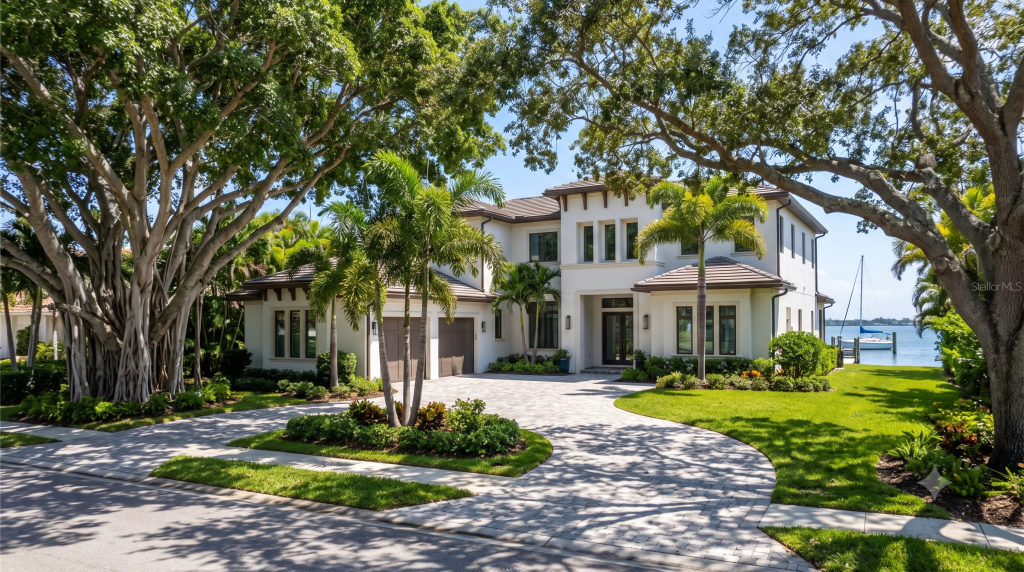
Discovering Oyster Bay: Sarasota’s Timeless Waterfront Enclave
Tucked along the eastern shores of Roberts Bay in Sarasota, Florida's coveted "West of Trail" corridor, Oyster Bay (often referred to as...
Read more